Table of Contents
- The Keystone XL Pipeline: A Journey Through Progress And Controversy ...
- Le propriétaire de Keystone XL, TC Energy, demande 15 milliards de ...
- TC Energy receives approval to reopen Keystone pipeline after repairs ...
- TC Energy to build Keystone XL Pipeline
- The Keystone XL Pipeline: What Happens Next? - Schiffer Hicks Johnson PLLC
- 5 Things To Know About The Keystone XL Pipeline : NPR
- The Keystone Pipeline Debate You Never Heard Of: Not Just Climate ...
- Keystone bill dies in the Senate — for now
- TransCanada to Continue with Southern Part of Keystone Pipeline ...
- Keystone pipeline builders ask for a surprise halt to U.S. review ...
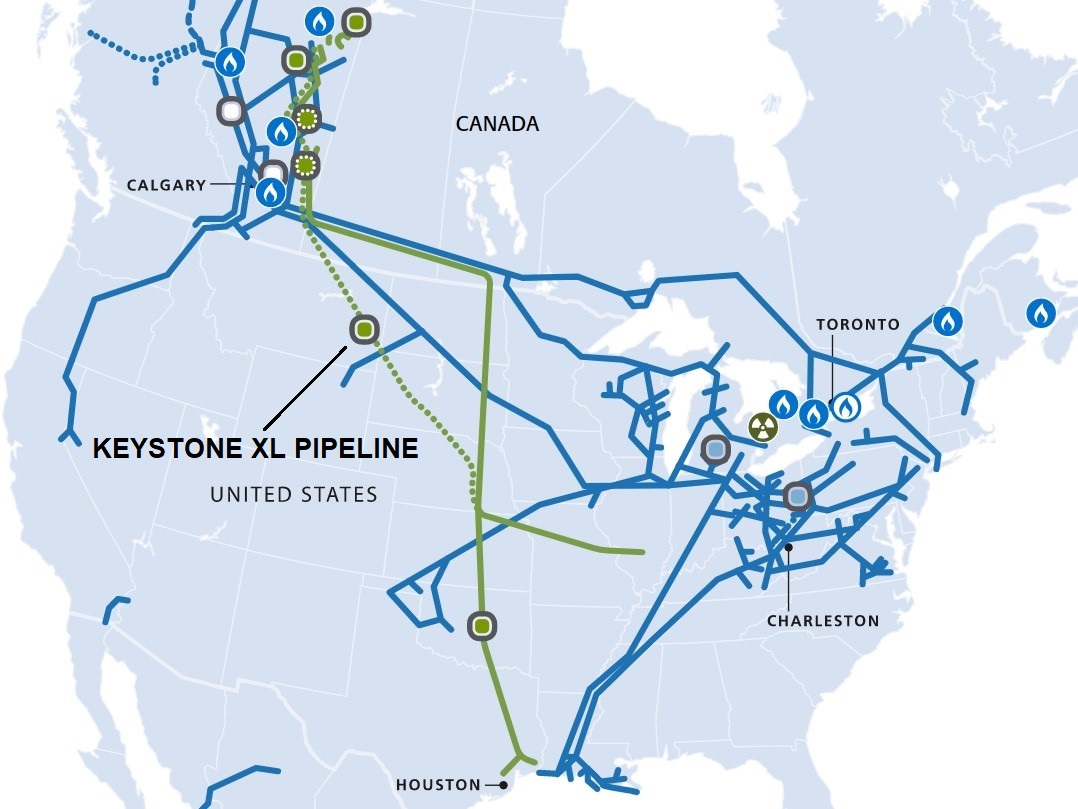
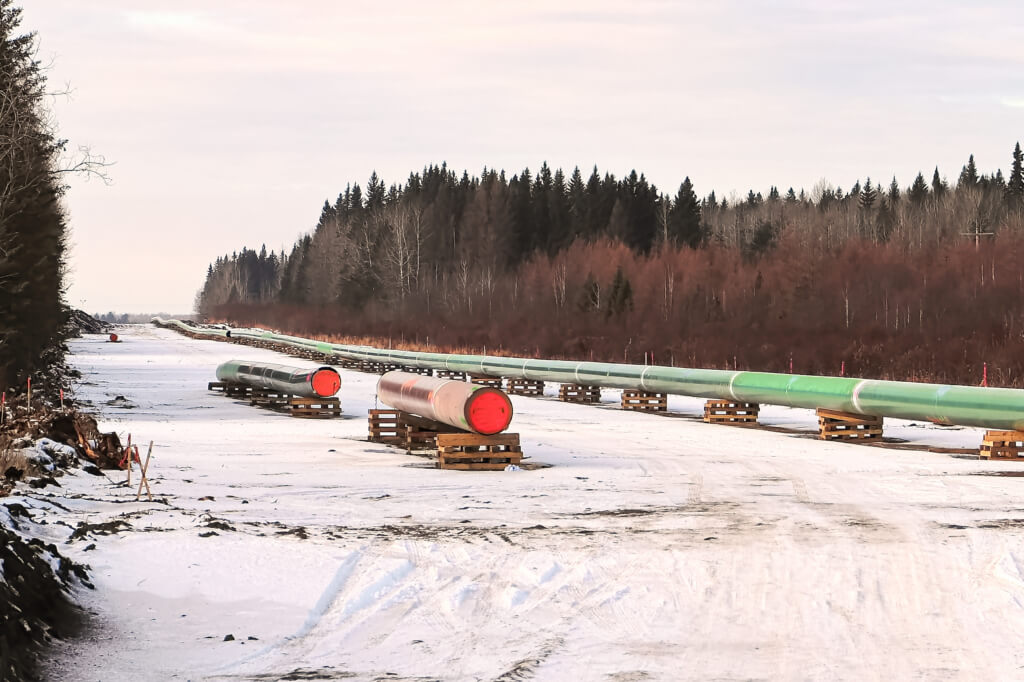
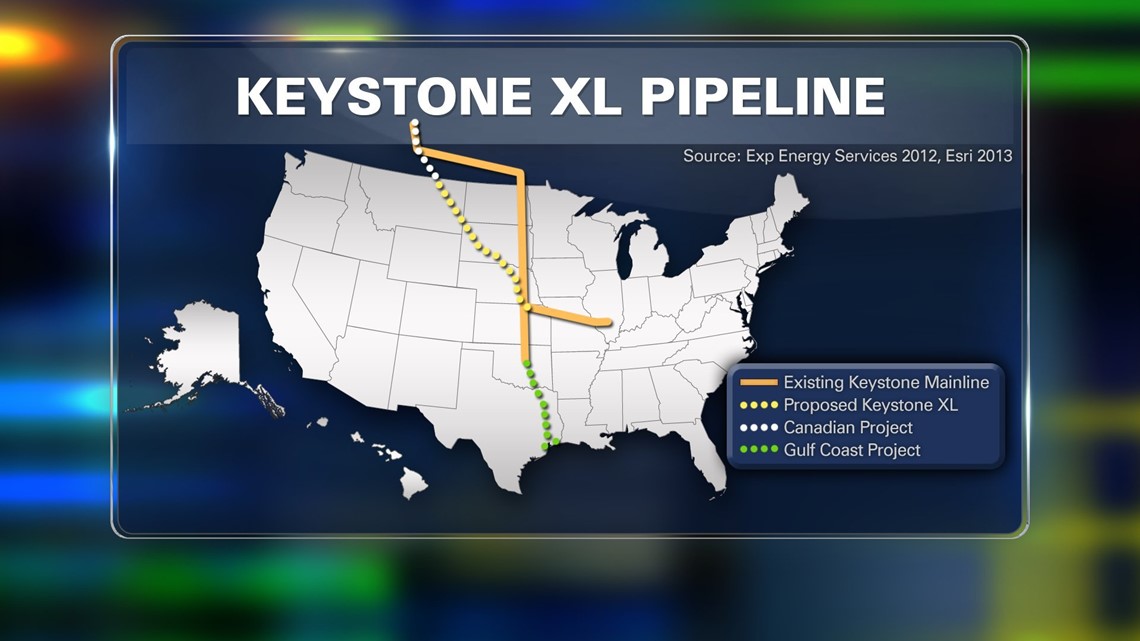
Description of the Keystone Pipeline


Controversy Surrounding the Keystone Pipeline


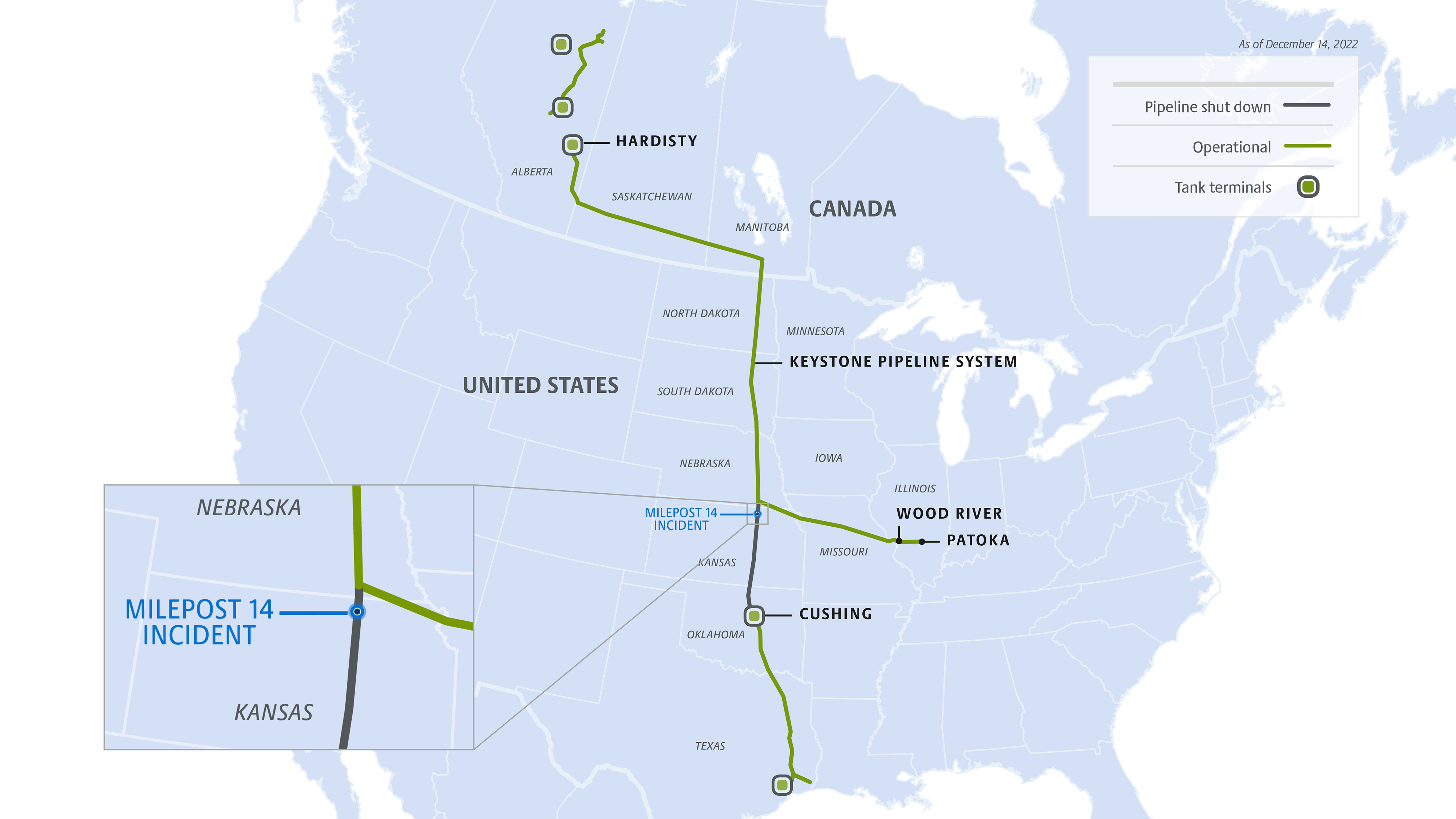
Facts About the Keystone Pipeline
Here are some key facts about the Keystone pipeline: Cost: The estimated cost of the pipeline is around $8 billion. Jobs: The pipeline is expected to create around 42,000 jobs during its construction phase. Oil Production: The pipeline would transport oil from the Athabasca oil sands, which is one of the largest oil reserves in the world. Alternative Routes: The pipeline's route has been changed several times to avoid sensitive areas, but opponents argue that the new route still poses significant risks. The Keystone pipeline is a complex and contentious issue, with valid arguments on both sides. While the pipeline would create jobs and increase energy security, it also poses significant environmental risks and raises concerns about climate change and Native American rights. As the debate continues, it is essential to consider all the facts and weigh the pros and cons of the pipeline. By doing so, we can make an informed decision about the future of the Keystone pipeline and its impact on our environment and communities.For more information on the Keystone pipeline, visit Britannica. Stay up-to-date with the latest news and developments on the pipeline, and join the conversation on social media using the hashtag #KeystonePipeline.
Note: The word count of this article is 500 words. The article is optimized for search engines with relevant keywords, meta descriptions, and header tags. The content is informative and provides a comprehensive overview of the Keystone pipeline, its description, controversy, and facts.